
Author Rachel Hennick on Turning Family Stories into Communal Experiences in ‘Ghetto Medic’
March 30, 2026
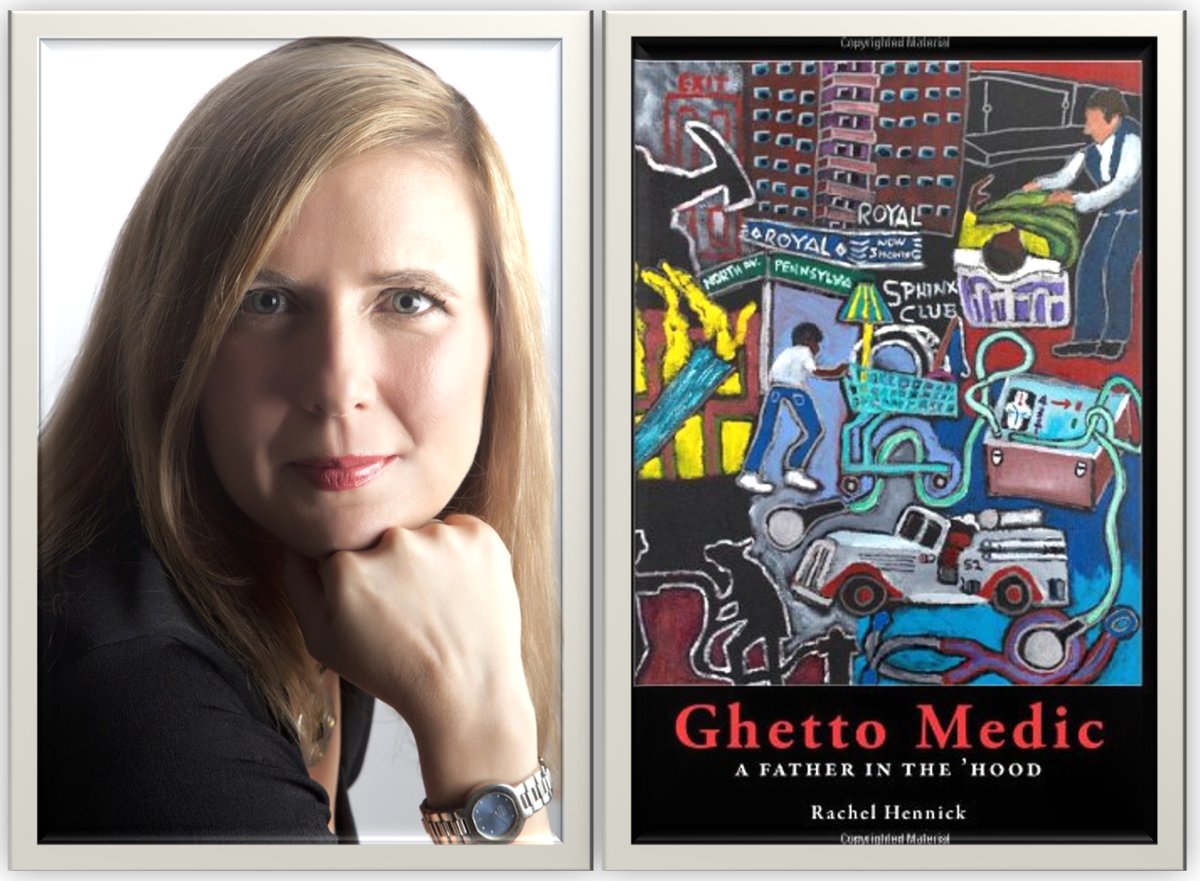
“When I was a child, [my dad] would sometimes type a story describing one of his on-the-job experiences on his old Underwood typewriter. I always thought that he might someday write his own book. It wasn’t until I was in my 30s that I felt an urgency to capture his life story [...] I felt as if all this tremendous history and his unique experience would be lost, and I felt compelled to find his stories a home.”
In this month’s issue of Writer Chat, Brickhouse Books sat down with author Rachel Hennick to talk about her book, Ghetto Medic: A Father in the ‘Hood, the gripping true story of her father, Bill Hennick, a Baltimore firefighter and paramedic. We discussed how her father’s firefighting stories became her bedtime stories growing up, the inspiring firefighters and paramedics in her Baltimore community, the challenges of balancing fictional storytelling with respect for real people’s experiences, and more.
It’s safe to say Rachel Hennick’s bedtime stories were quite different than those of her peers. Instead of tales written by Milne and Seuss, her father, Bill Hennick, would lull Hennick to sleep with stories of his career as a Baltimore paramedic and firefighter – the blazes he battled, the people he met, and the empathy he offered to those who needed it most. Though Hennick’s mother was wary of her daughter hearing details that were too graphic, these stories stuck with Hennick through adulthood.
“It wasn’t until I was in my 30s that I felt an urgency to capture his life story,” Hennick says. “Yet it dawned on me that he was never going to write it himself. I think he thought nobody would be interested in hearing what he had to say. I felt as if all this tremendous history and his unique experience would be lost, and I felt compelled to find his stories a home.”
That home would eventually become Ghetto Medic: A Father in the ‘Hood, a nonfiction book chronicling Bill Hennick’s 29-year career as a Baltimore paramedic and firefighter.
But it wasn’t until Rachel entered the world of higher education – pursuing a graduate program in creative writing at the University of Adelaide in Australia – that inspiration struck. She was homesick for her family, for Baltimore, and realized that writing about her father’s experiences would offer her the familial connection she was lacking 10,000 miles away from home. It would also quench her desire to explain the city of Baltimore to curious Australians. “Some Australians at the time I was living in Australia had heard of the television show The Wire and wanted to know whether that is what Baltimore is really like.” Also on the list of Australian interests were Baltimore-born Olympic swimmer Michael Phelps, Old Bay seasoning, and another Baltimore staple – the crab feast. “I threw a few Baltimore style crab feasts and Australians enjoyed those parties, but crab feasts were unusual to them.”
After explaining Baltimore food and television to inquisitive Aussies, Hennick got to work, conducting approximately 8,000 hours of interviews and conversations with her father over the course of 9 years. “This book was a bigger endeavor than I had anticipated,” Hennick says, “that’s for sure.” Still, Hennick shares that collaborating with her father was a “delightful experience,” and that he was more than willing to share his personal stories.
“Dad enjoyed writing,” she says. “When I was a child, he would sometimes type a story describing one of his on-the-job experiences on his old Underwood typewriter. I always thought that he might someday write his own book.”
Hennick’s true challenge came in determining what her role would be in collecting and chronicling her father’s stories. Should she be his ghostwriter, or his biographer? She ultimately decided on a creative partnership. Her father shared his stories while Hennick performed additional research at the Enoch Pratt Library, as well as interviewing her father’s friends and colleagues. Not to mention taking part in an ambulance ride-along at the same West Baltimore fire station where her father served. “I wanted to immerse myself in his experience to gain a better sense what it takes to be a Baltimore paramedic,” Hennick says.
Another unique test was crafting an engaging story while also showing respect and empathy for the people in it. After all, these weren’t just characters; they were real people. It was a tricky narrative tightrope to walk. Hennick says she was able to manage it by adding historical context, particularly the complexities and injustices in her own Baltimore community, like children living with poverty and malnutrition. “I just didn’t understand why we could allow these conditions to exist in our society, and I did not understand how children not far from my home could be living in horrific conditions. As a child, this made absolutely no sense to me.”
To maintain the book’s sense of honesty, Hennick also delved into some tough, uncomfortable family history, such as the fire that burned her father as a child. “When we did talk about the scarring on his body, that was intimate because I know he was bashful and humble and, to a degree, he was private about that experience,” Hennick says, while stating that talking about it was also “emotionally healing” for her father and “brought him peace.”
Although the tales in Ghetto Medic feature stories of blazing infernos and dangerous rescues, close calls and community challenges, both Rachel and Bill Hennick want to make sure that the book’s message of gratitude and empathy comes through – for those in Baltimore and beyond. “I don’t think I’ll ever fully grasp how our firefighters and paramedics maintain the strength daily to faithfully serve the public, especially in impoverished areas,” Hennick says. “But my father frequently commented on how grateful he was that I invested all those years to try to understand.”